History
The tradition of women getting a ring at bethrols comes from either Egypt or Rome/Greece, it is not sure but the first definite purpose of rings was as a public symbol of marriage. They were used as legal contracts symbolising a women moving from her father’s to her husband’s legal ownership. As this trend travelled to other countries, the purpose of rings evolved and changed, besides serving as a sign of union, rings functioned as symbols of authority, fidelity, or social status depending on the region.
Signet rings were a sign of power as they authorized the owner to sign/stamp official papers. Engagement rings were a token of love and affection. While rings made with precious stones and crystals were also used to show wealth.
Over the years rings have got a new sense of fashion to them. These rings are made for the sole purpose of aesthetics and are usually sold to the masses.
Taxonomy is the science of classification and grouping.
I’ve decided to display my rings collection in three ways:
- Where I bought them
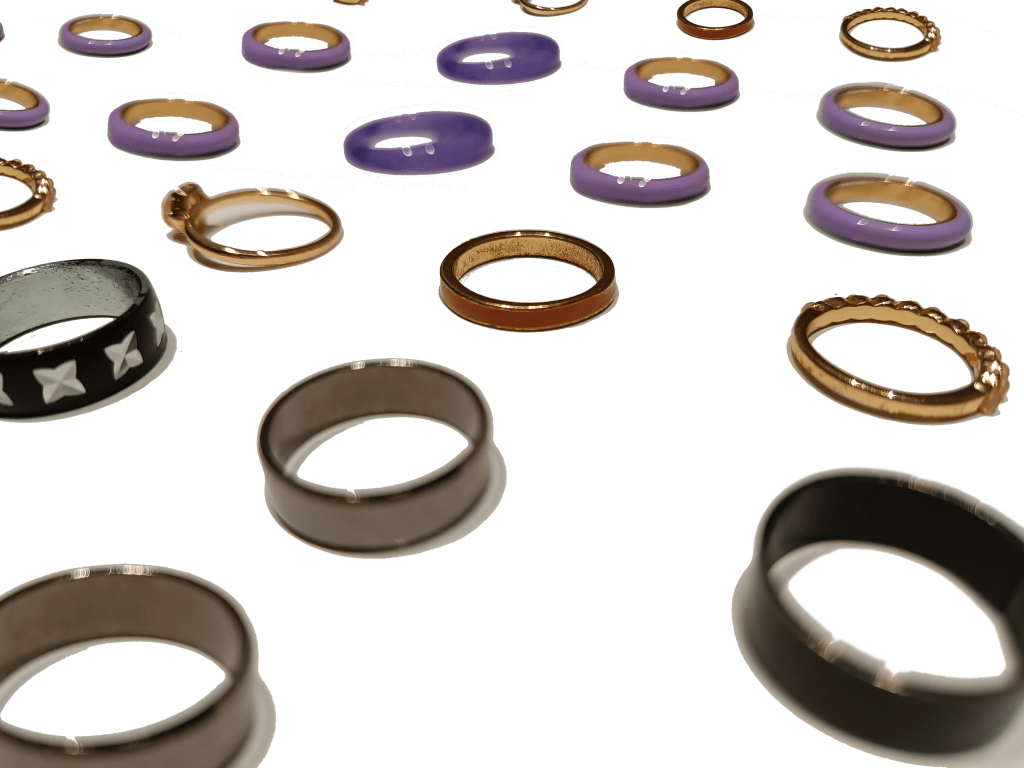
- Their colour
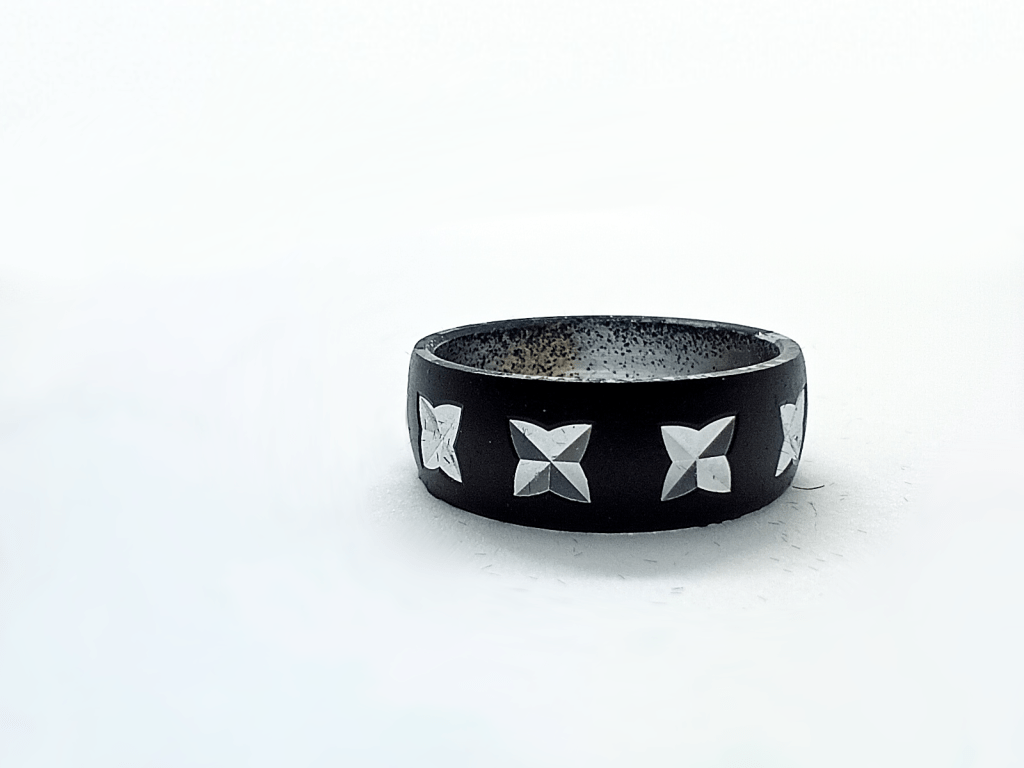
- Whether they have a recurring pattern all around
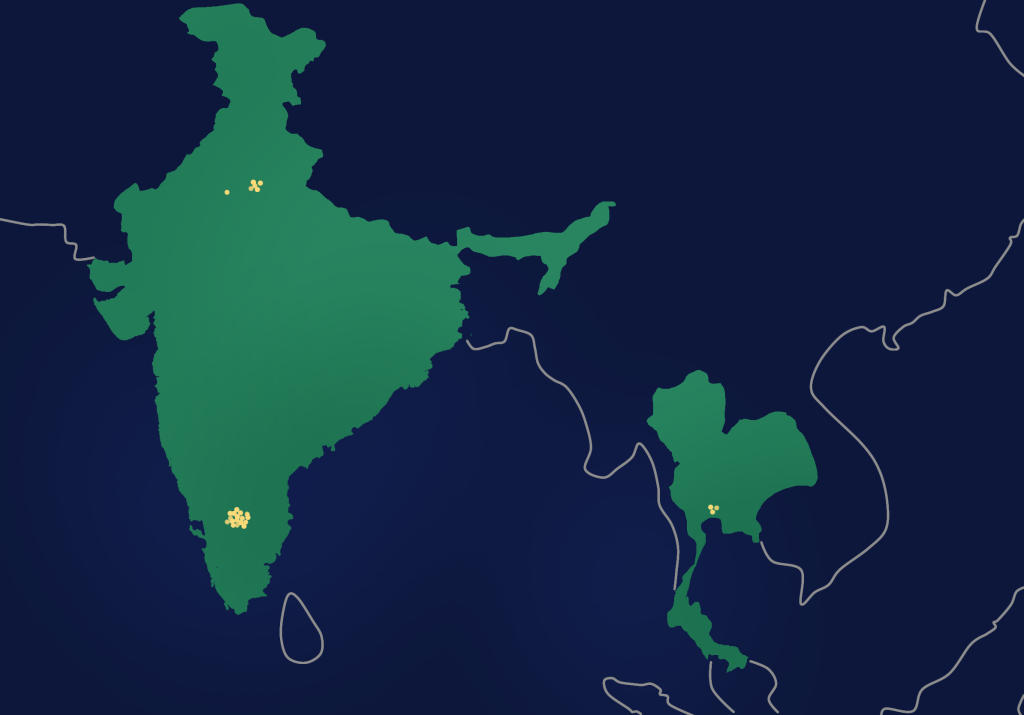
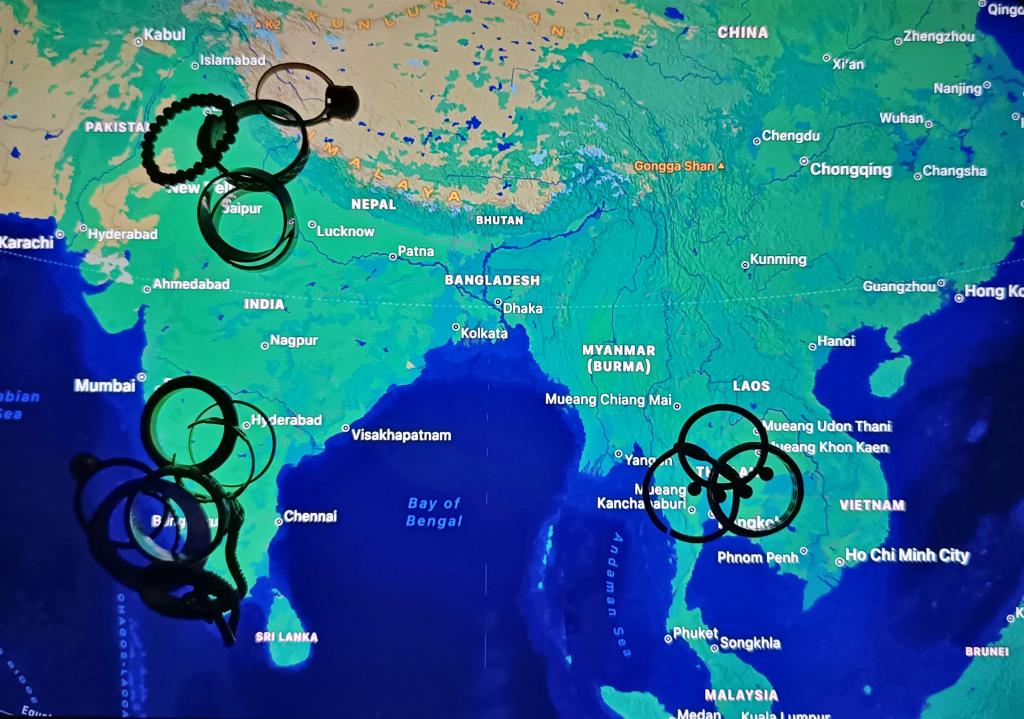
Location
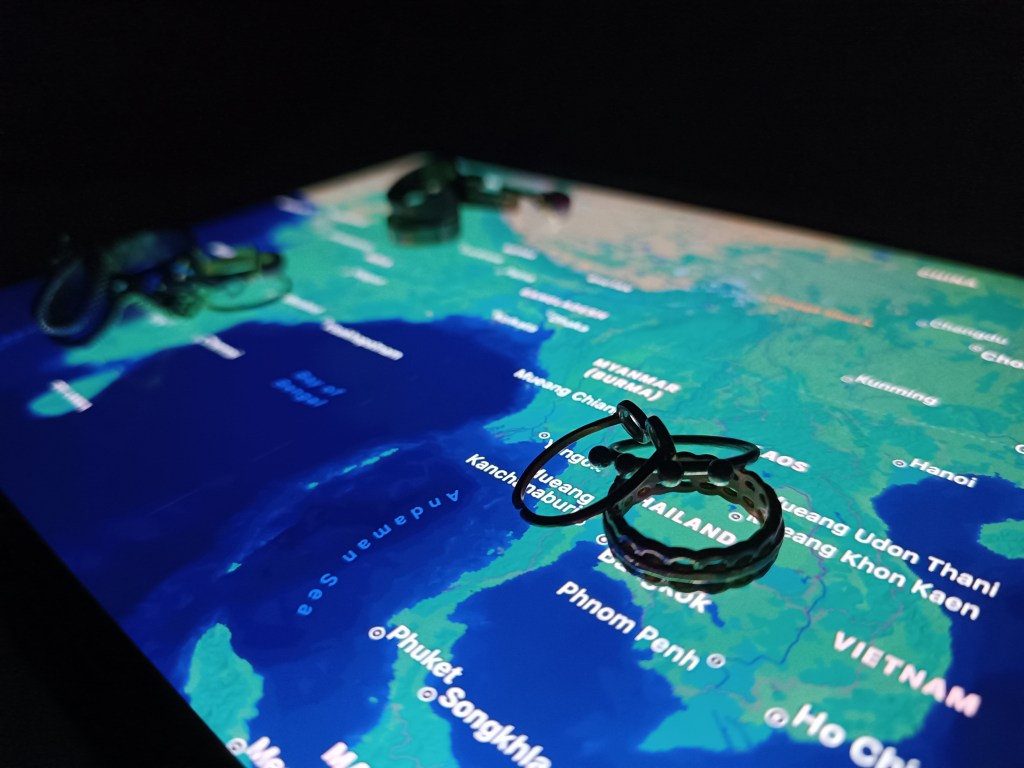
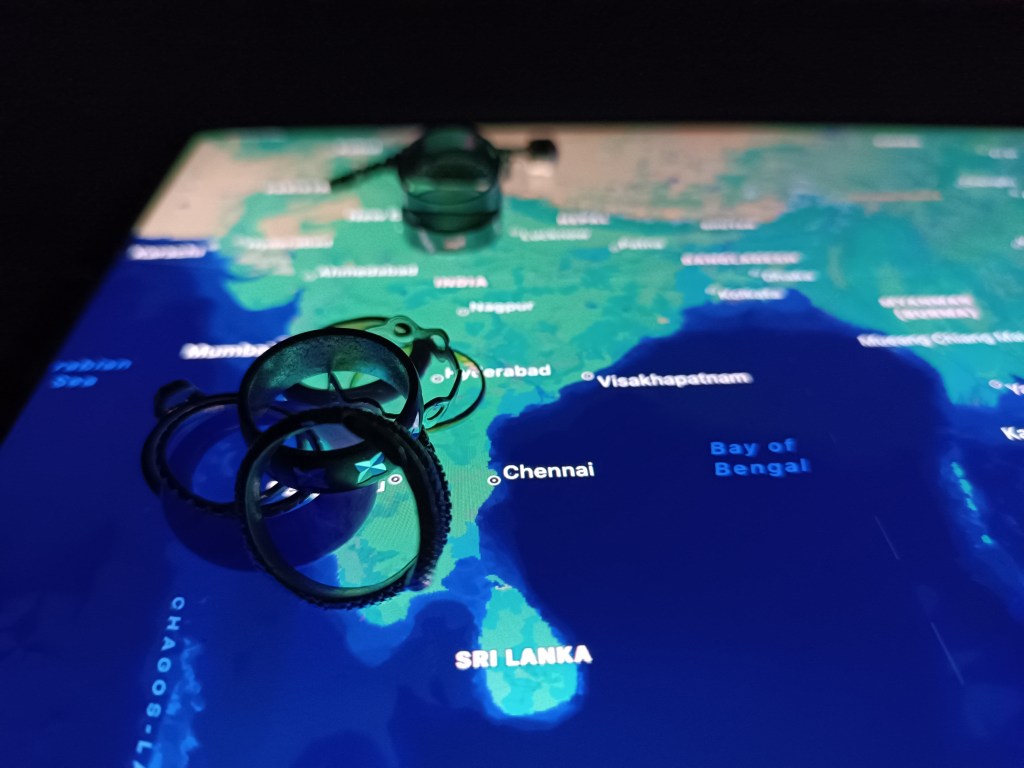
I intend on filling the entire map with gold dots in the future.
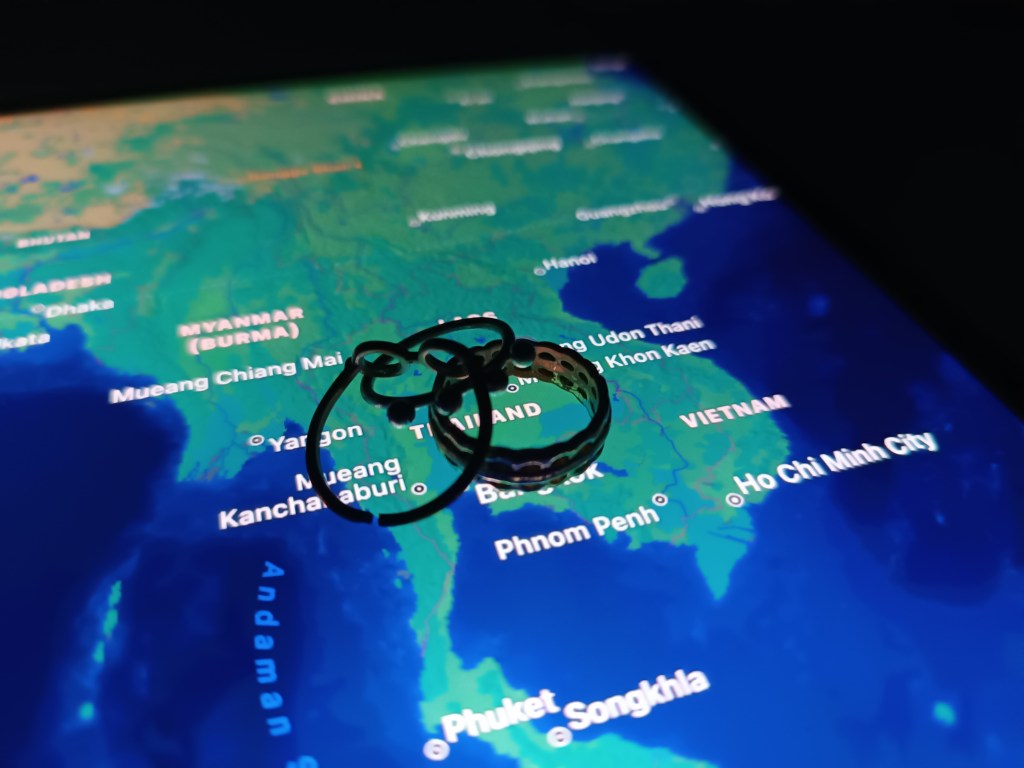
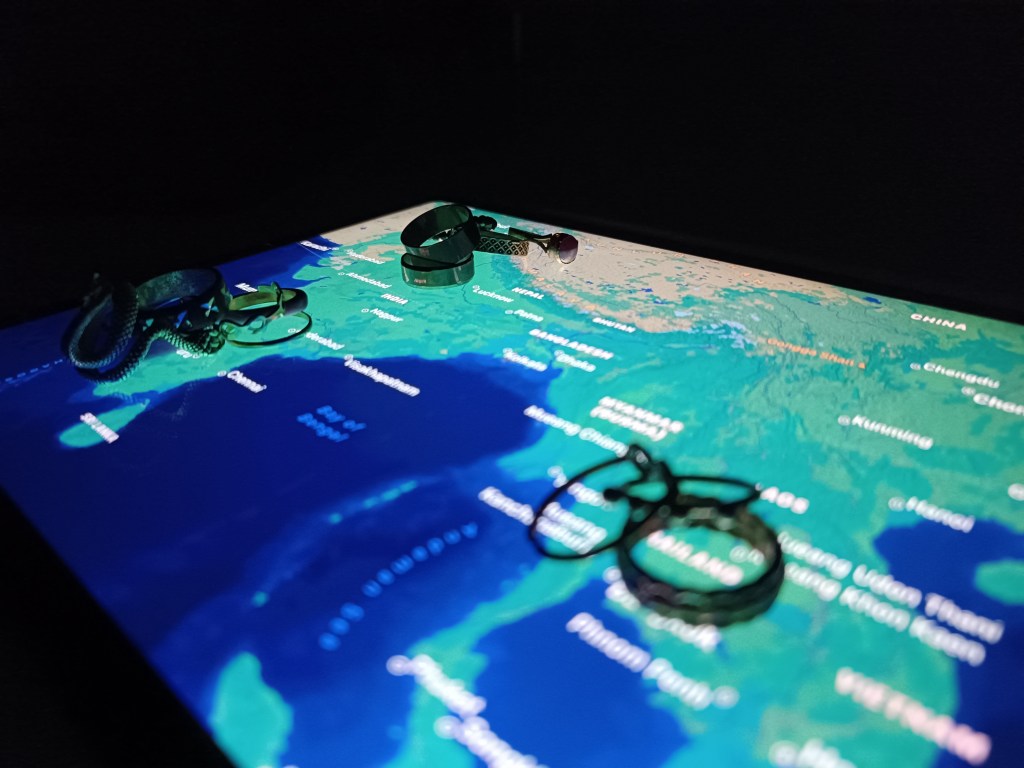
My rings from different cities and countries has given me an insight into the history of the areas they were made and sold in. I’ve realised that different places have different aesthetics/designs of rings which express their culture and how they want to present themselves to the world. Excluding common rings sold everywhere, the majority of rings sold in Thailand are very different from those in India. In my country itself, rings vary from north to south. You’ll find an abundance of fashion rings being sold in the south while there are more rings made with traditional designs and materials in the north.
Colour
Recurring Pattern
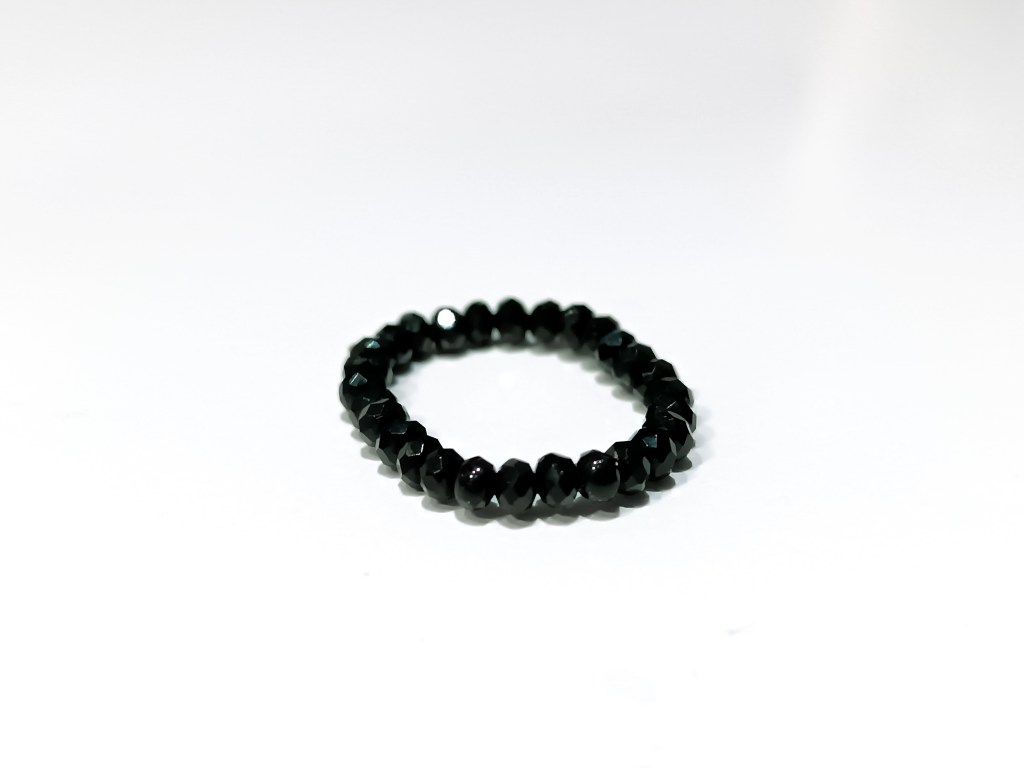
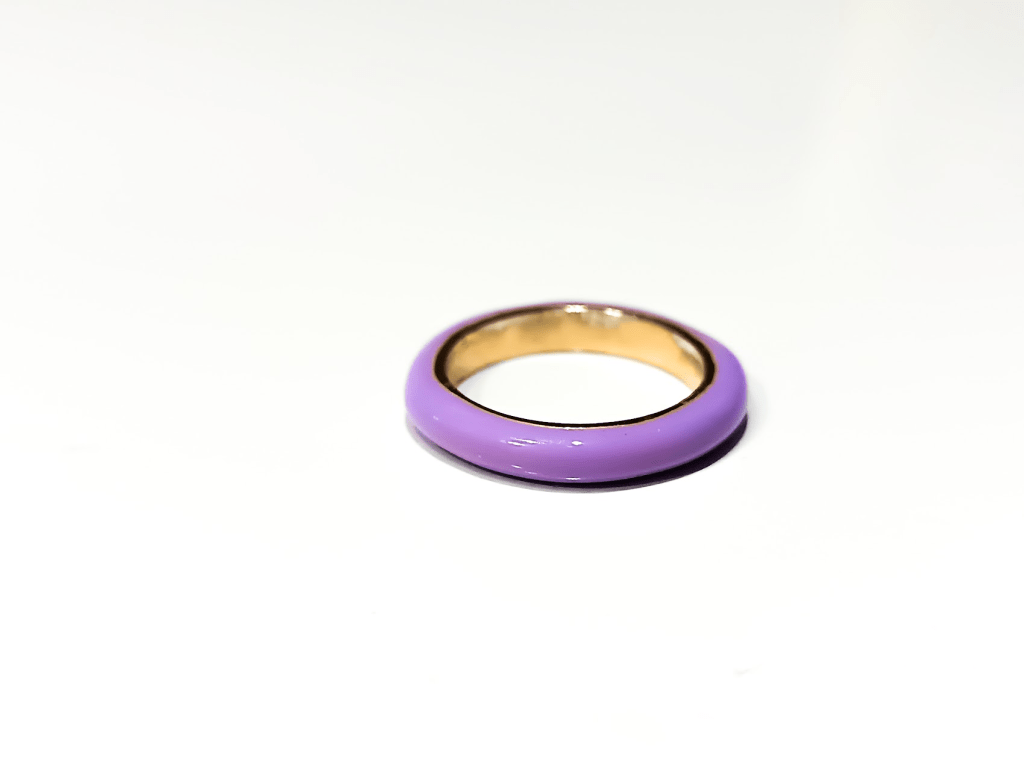
Stacking, band and (some) bead rings don’t have a top/head, they have a repeating pattern all around.
 CTS 1
CTS 1 
Leave a comment